


The Tie Bar: Subtle Brilliance in a Southern Gentleman's Ensemble
- Christopher Turner
- Jan 15
- 6 min read

In the hierarchy of masculine accessories, few pieces command such understated authority as the gentleman's tie bar. This slender instrument of precision represents far more than mere functionality: it embodies the sophisticated restraint that distinguishes the truly elegant man from those who merely dress well. Within the realm of bespoke menswear, the tie bar serves as both practical necessity and subtle declaration of sartorial awareness, a whispered testament to one's understanding of proportion, tradition, and the delicate art of masculine refinement.
The discerning gentleman recognizes that true luxury lies not in ostentation, but in the mastery of details so refined that they speak only to those educated enough to appreciate their significance. The tie bar exemplifies this philosophy, operating within the vocabulary of understated elegance that defines the Southern gentleman's approach to dress.
The Historical Foundation of Masculine Restraint
The tie bar's origins trace back to the Victorian era, emerging from the practical necessity of managing increasingly elaborate neckwear during an age when sartorial expression reached unprecedented heights of complexity. As the industrial revolution transformed both society and dress, gentlemen required sophisticated solutions to maintain their appearance throughout increasingly dynamic professional and social engagements.
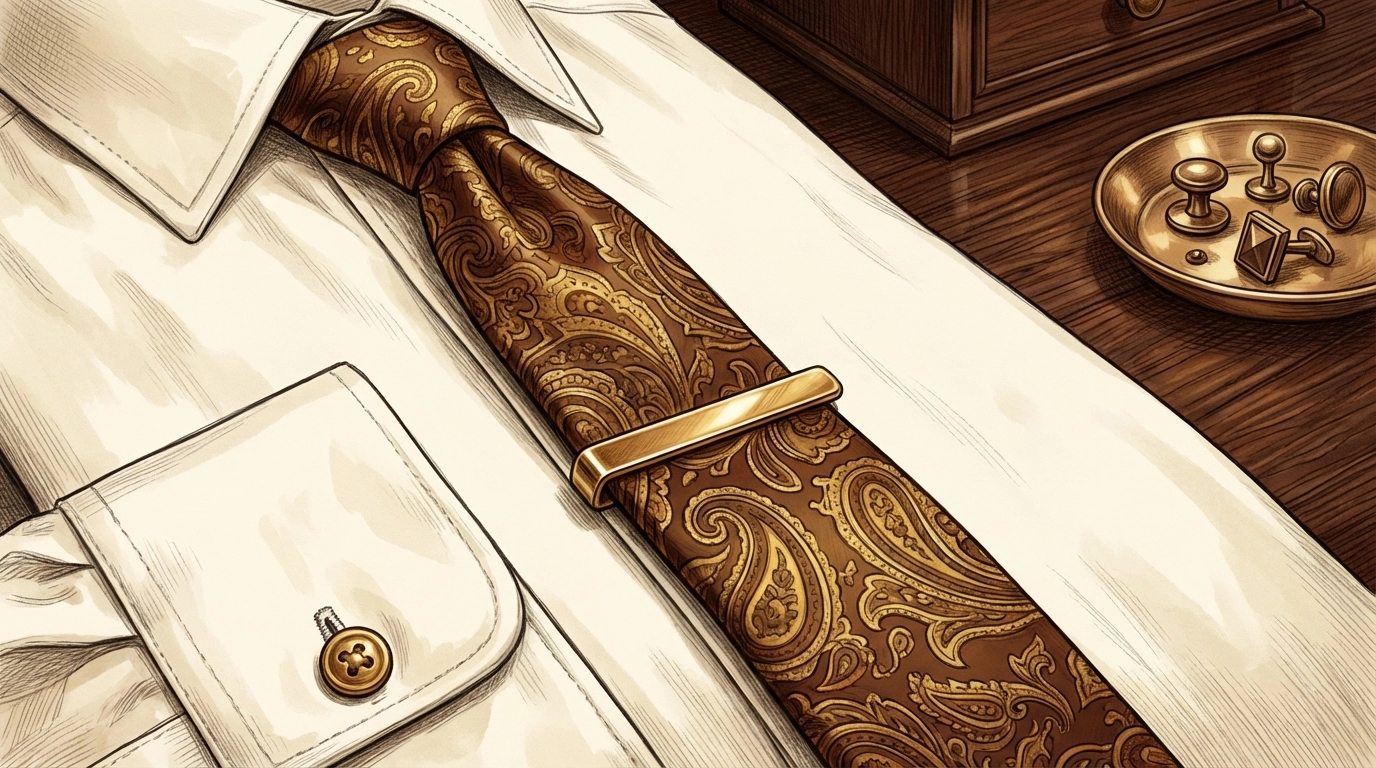
Initially crafted in precious metals and often adorned with subtle engravings or family crests, early tie bars served dual purposes: securing the necktie against the elements while signaling social position through quality of craftsmanship and materials. The finest examples were produced by established jewelers and silversmiths, who understood that such accessories demanded the same attention to detail reserved for timepieces and cufflinks.
The evolution of the tie bar paralleled the broader development of masculine dress codes throughout the twentieth century. During the 1920s and 1930s, as men's fashion embraced cleaner lines and more structured silhouettes, the tie bar became an essential component of the well-dressed man's arsenal. This period witnessed the emergence of design principles that continue to govern proper tie bar etiquette today.
The Architecture of Proper Placement
The correct positioning of a tie bar represents one of menswear's most fundamental yet frequently misunderstood principles. At Christopher Turner Couture, proper placement is at the fourth shirt button—deliberately lower than is typically portrayed in contemporary style imagery—positioned horizontally across the tie's width at a point that falls naturally below the chest and comfortably above the trouser waist. This house tradition reflects our relaxed, legacy Southern elegance: the tie is secured with discretion while retaining an easy drape and natural movement.
This positioning serves multiple functional and aesthetic purposes. Practically, it secures the necktie without creating unsightly bunching or restricting natural movement. Aesthetically, it establishes visual balance within the overall composition of the ensemble, creating a subtle horizontal line that complements the vertical lines of the shirt's button placket and the tie itself.
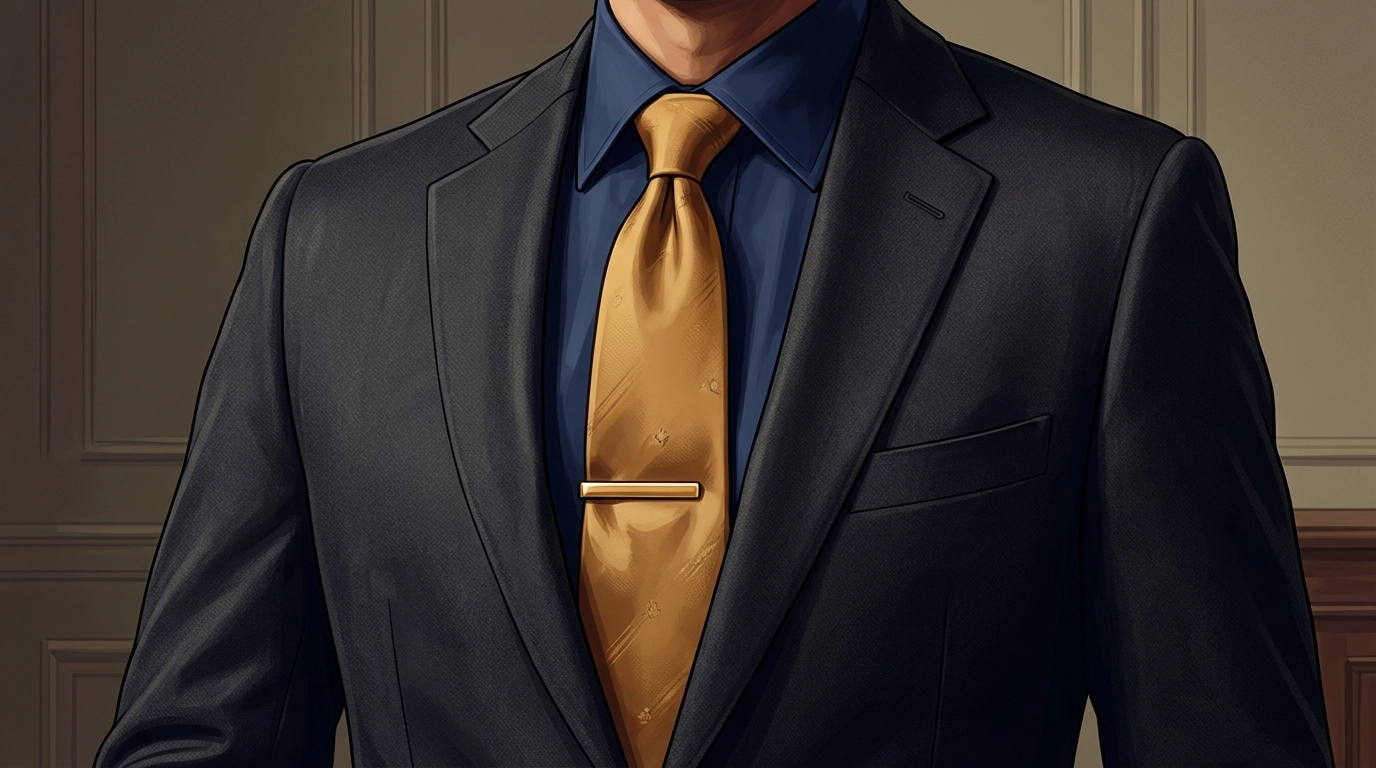
The tie bar should encompass approximately three-quarters of the tie's width, never extending beyond the fabric's edges. This proportion ensures that the accessory appears purposeful rather than accidental, while maintaining the tie's natural drape below the point of attachment. The gentle pressure applied by a properly fitted tie bar creates subtle texture and visual interest without compromising the necktie's inherent elegance.
Temperature and material considerations also influence proper tie bar selection. Gold, silver, and platinum bars each possess distinct thermal properties that affect comfort during extended wear, while the choice of metal should harmonize with other accessories including cufflinks, watches, and collar stays.
Icons of Individual Expression
Fred Astaire's approach to the tie bar exemplified the sophisticated rebellion that characterizes true style leadership. Rather than adhering strictly to conventional placement rules, Astaire positioned his tie bars at deliberately rakish angles, creating dynamic visual lines that complemented his reputation for graceful movement and artistic innovation. This subtle deviation from orthodoxy demonstrated his mastery of sartorial fundamentals: one must thoroughly understand the rules before earning the right to break them with such elegant authority.
Astaire's tie bar philosophy reflected his broader understanding that clothing should enhance rather than constrain personality. By wearing his tie bars at slight angles, he introduced elements of visual rhythm and implied motion that resonated with his career as a dancer and entertainer. The effect was never jarring or attention-seeking, but rather suggested the confidence of a man who had moved beyond mere adherence to convention toward personal artistic expression.
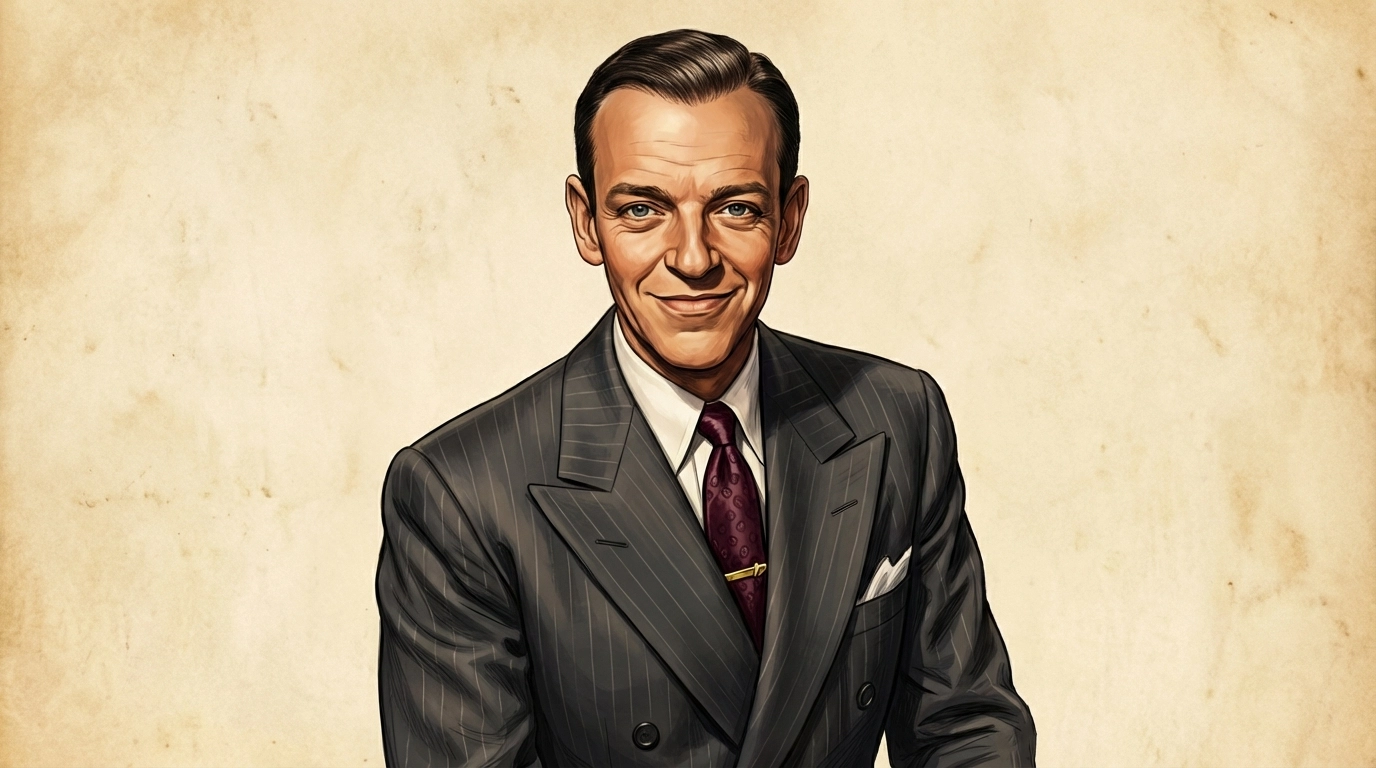
Gordon Gekko, though fictional, represents another archetype of tie bar manipulation for psychological effect. His aggressively angled tie bars served as visual metaphors for his character's willingness to bend traditional rules in pursuit of advantage. Where Astaire's approach suggested artistic sophistication, Gekko's conveyed predatory ambition: the same accessory employed to communicate entirely different messages about the wearer's intentions and worldview.
The contrast between these approaches illustrates the tie bar's remarkable versatility as a tool of subtle communication. In Astaire's hands, the angled tie bar spoke of artistic confidence and sophisticated playfulness. In Gekko's characterization, it became a symbol of aggressive individualism and disregard for conventional limitations.
The Psychology of the Rakish Angle
The deliberate positioning of a tie bar at a rakish angle represents a sophisticated form of sartorial semiotics, communicating specific messages about the wearer's personality and approach to traditional structures. This technique requires considerable expertise to execute successfully, as the line between elegant individuality and affected pretension remains remarkably thin.
When properly executed, the angled tie bar suggests confidence without arrogance, creativity without chaos, and individuality without rebellion against good taste. The angle must appear natural and unstudied, as though the wearer's dynamic lifestyle has naturally shifted the accessory from its conventional position. This effect requires both exceptional understanding of proportions and intuitive sense of visual balance.
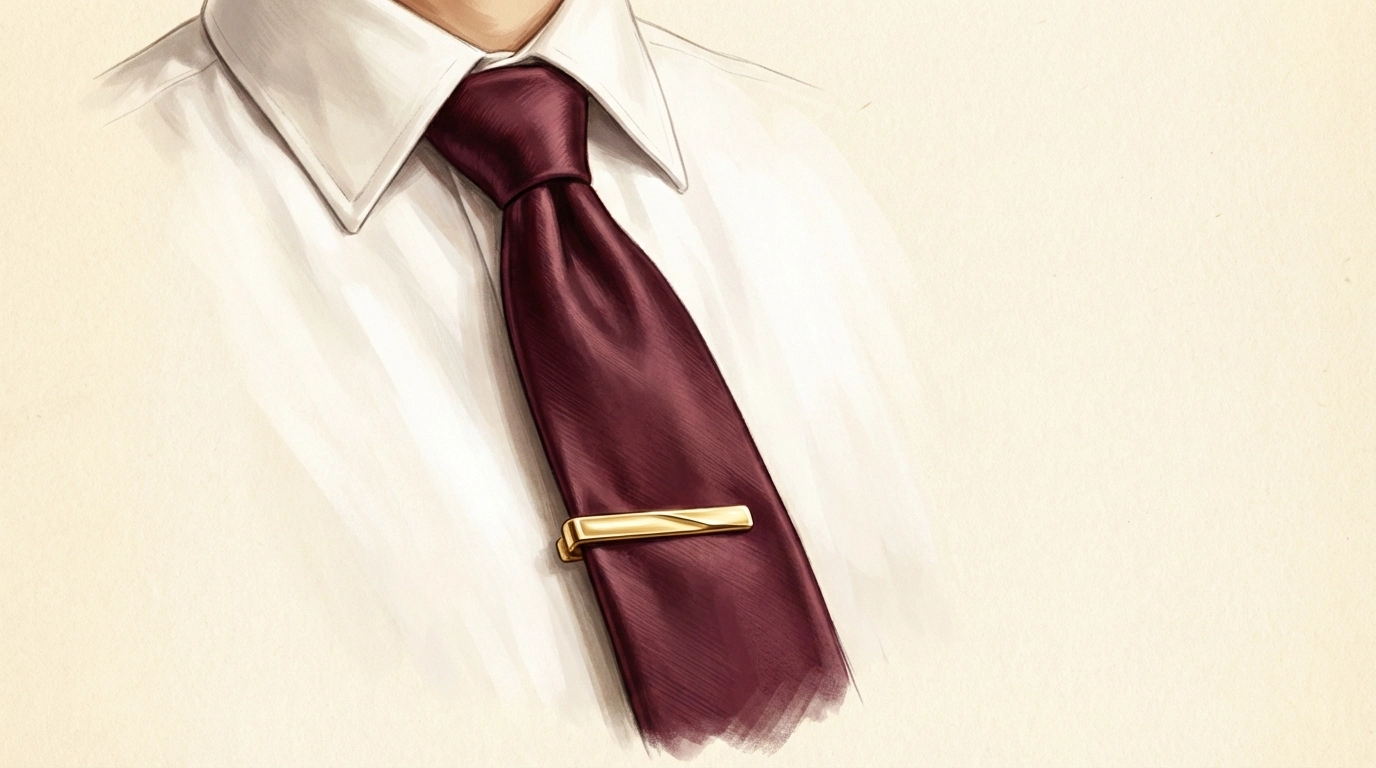
The rakish angle works particularly well for gentlemen whose professional or social roles involve leadership, creativity, or public presentation. The subtle visual disruption suggests someone willing to take calculated risks and comfortable with being noticed, qualities essential for success in fields requiring innovation and personal magnetism. For the CTC gentleman, even when a rakish angle is employed, the bar remains anchored at the fourth shirt button—slightly lower than most editorial depictions—lending the composition the relaxed, legacy Southern elegance that defines the house.
However, this approach demands supporting elements throughout the ensemble. The angled tie bar must be balanced by other details that reinforce the impression of sophisticated confidence rather than careless dressing. Impeccable tailoring, superior fabric choices, and flawless grooming become even more critical when employing such deliberate deviations from conventional practice.
Integration Within Bespoke Suiting
Within the context of bespoke menswear, the tie bar assumes particular significance as both functional necessity and aesthetic enhancement. The superior construction and precise fit characteristic of custom tailoring create ideal conditions for displaying tie bar craftsmanship to maximum advantage. The clean lines and perfect proportions of a properly tailored jacket frame the tie bar within its optimal visual context.
Bespoke suiting allows for subtle customizations that enhance tie bar presentation. Lapel width, button stance, and shirt collar proportions can all be adjusted to create ideal relationships with tie bar positioning. The experienced tailor understands these relationships and incorporates them into the overall design philosophy governing each commission.
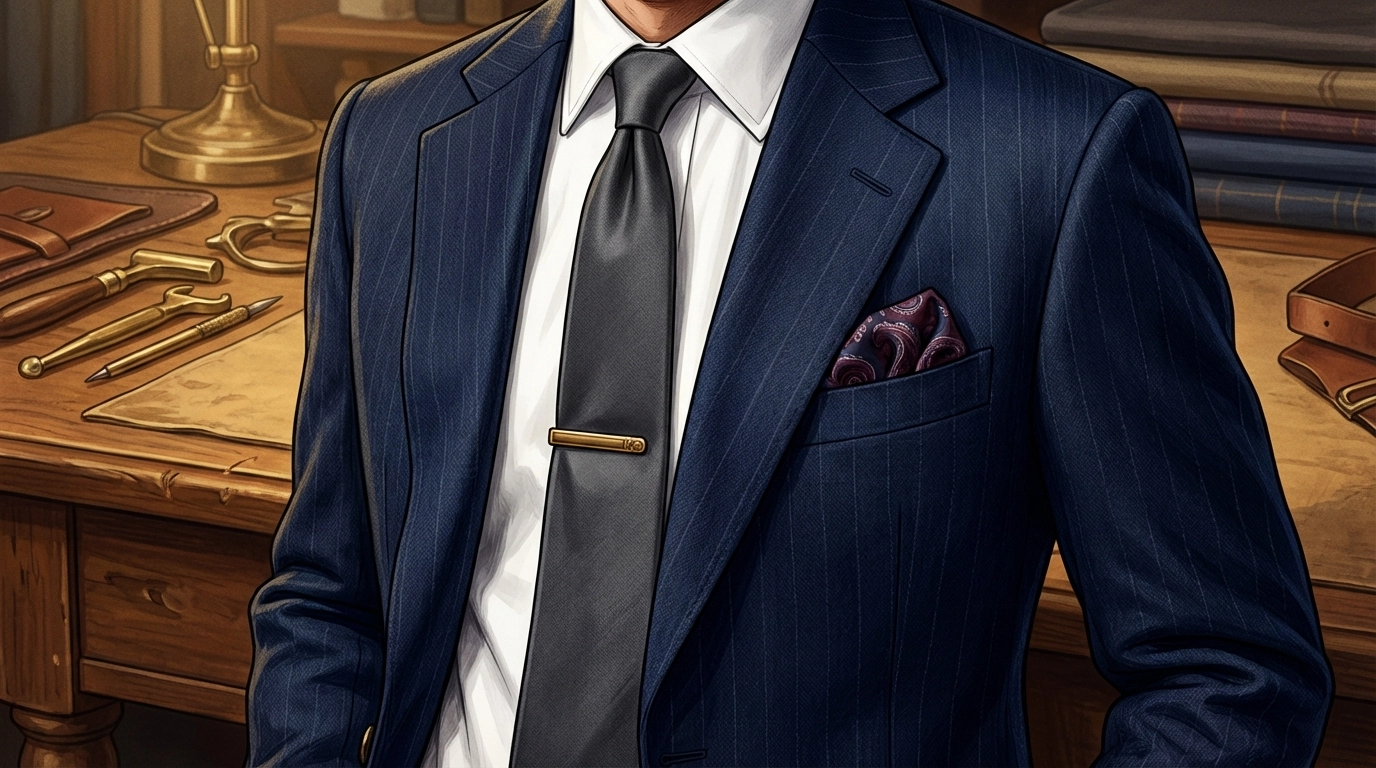
The selection of tie bar materials and finishes should harmonize with other metallic elements throughout the ensemble, including buttons, belt buckles, and watch cases. This coordination requires advance planning during the design process, ensuring that all elements work together to create cohesive visual narratives rather than competing for attention.
The finest tie bars represent investments in accessories that will serve for decades, developing character and patina that enhance their appeal over time. Like quality timepieces or heirloom cufflinks, superior tie bars become more beautiful with age and use, making them ideal components of the distinguished gentleman's permanent collection.
The Enduring Appeal of Subtle Authority
The gentleman's tie bar endures because it fulfills fundamental human desires for both functionality and self-expression within socially acceptable parameters. It provides practical benefits while allowing for subtle displays of taste, quality awareness, and attention to detail that speak to those educated enough to appreciate such refinements.
In an era increasingly dominated by casual dress and diminished attention to sartorial detail, the proper use of a tie bar signals commitment to standards that transcend temporary fashion trends. It demonstrates respect for traditions while allowing for personal interpretation within established frameworks of good taste and appropriate restraint.
The tie bar's greatest strength lies in its ability to enhance an ensemble's overall impact without dominating attention or appearing ostentatious. This quality makes it an ideal accessory for the modern Southern gentleman, who must navigate professional environments that reward both competence and sophisticated presentation. The subtle brilliance of the perfectly positioned tie bar provides exactly the right degree of polish and attention to detail that distinguishes true elegance from mere formality.
For the discerning gentleman, the tie bar represents an opportunity to demonstrate mastery of proportion, tradition, and personal style within a single carefully chosen accessory. Its proper selection and placement reflect deeper understanding of masculine elegance principles that extend far beyond simple adherence to dress codes, revealing instead a commitment to the elevated standards that define truly sophisticated personal presentation.
Comments